
The Warren County Fair in Carlisle, Iowa, introduces a Robocall Reporting Hotline to combat robocall law firms, enhancing public safety and adhering to state robocall laws. This initiative simplifies reporting, enabling data-driven action against nuisance calls, setting a precedent for other communities to adopt similar tech.
Iowa's Warren County Fair, a longstanding tradition, has recently adopted an innovative solution to a modern problem—robocalls. With the proliferation of automated phone calls from law firms inundating residents, especially during events like the fair, community members sought a way to combat this nuisance. The fair organizers responded by implementing a Robocall Reporting Hotline, empowering attendees with a simple tool to document and address these unwanted calls. This proactive measure demonstrates a forward-thinking approach, offering a practical solution that respects privacy while providing relief from intrusive robocalls, particularly those from law firms targeting Iowa residents.
Warren County Fair Adopts Robocall Reporting System

The Warren County Fair, a longstanding tradition in Carlisle, Iowa, has taken a significant step towards modernizing its approach to public safety and communication with the implementation of a Robocall Reporting Hotline. This innovative system allows fairgoers and local residents to combat unwanted robocalls effectively, providing an additional layer of protection against fraudulent activities that often masquerade as legitimate calls. The fair's decision to adopt this technology underscores a growing trend among Iowa communities to utilize cutting-edge solutions in the battle against pesky robocall law firms.
By integrating a robocall reporting hotline, the Warren County Fair has established a direct channel for citizens to report suspicious phone calls, thereby enhancing community safety. This system operates by automatically dialing a pre-registered number and providing an interface for callers to report their experiences. The collected data can be analyzed to identify patterns and potential sources of nuisance calls, enabling law enforcement agencies and fair organizers to take proactive measures. For instance, in 2022, Iowa reported over 17 million robocalls to the Federal Trade Commission (FTC), with a significant portion targeting areas outside major metropolitan centers like Carlisle.
The effectiveness of such hotlines lies in their accessibility and ease of use. Fairgoers can quickly report irksome calls without navigating complex processes, ensuring that valuable time is not wasted. Moreover, this system enables local authorities to gather real-time data, allowing for swift action against persistent robocallers. With the support of advanced technologies, the Warren County Fair is leading the way in creating a more secure and peaceful environment for its attendees, setting an example for other Iowa fairs and communities to follow.
Understanding Robocall Law in Iowa: Key Regulations

In light of the increasing prevalence of automated robocalls, particularly in Iowa, the Warren County Fair in Carlisle has taken a proactive step by implementing a Robocall Reporting Hotline. This initiative underscores the growing need for businesses and consumers alike to understand the nuances of the state's robocall law, which is designed to protect residents from unwanted and deceptive calls.
Iowa's robocall law firms have been instrumental in shaping consumer protection regulations, ensuring that automated calls are both legal and ethical. Key provisions include requiring caller identification, allowing recipients to opt-out of future calls, and penalizing businesses that violate these rules. For instance, the Iowa Utilities Board has reported a significant increase in complaints related to robocalls, underscoring the need for heightened awareness and stricter enforcement.
The Warren County Fair's hotline serves as a practical solution for residents facing persistent or deceptive robocalls. By providing a dedicated channel for reporting these issues, the fair enables citizens to take control of their communication experiences. This proactive approach not only assists individuals but also fosters collaboration between businesses, regulatory bodies, and consumers in navigating the complex landscape of robocall law in Iowa.
Actionable advice for both businesses and consumers includes educating themselves on opt-out mechanisms, maintaining accurate caller records, and reporting suspicious calls to relevant authorities. By adhering to these guidelines, businesses can ensure compliance while consumers can enjoy greater peace of mind against intrusive and illegal robocalls.
Local Businesses and Fairgoers Benefit from Hotline

The Warren County Fair in Carlisle, Iowa, has become a beacon of innovation in community engagement, recently introducing a Robocall Reporting Hotline to combat intrusive automated calls. This initiative is not just a technological advancement; it's a strategic move that benefits both local businesses and fairgoers. The hotline allows attendees and nearby residents to report robocalls discreetly, contributing to a safer, more enjoyable environment. By implementing this system, the fair organizers have demonstrated a forward-thinking approach, prioritizing their community's well-being in an era where robocall law firms in Iowa are increasingly common.
Local businesses, often targeted by unsolicited calls, find solace in this new tool. The hotline provides them with a direct line to report spam calls, helping them curb potential sales losses and protect customer data. Moreover, fairgoers can now enjoy the event without constant interruptions from unwanted marketing calls, enhancing their overall experience. Data suggests that similar initiatives have led to significant reductions in robocall volumes in areas where they've been implemented, demonstrating their effectiveness.
Expert opinion underscores the hotline's value as a proactive solution. It empowers individuals to take control of their communication and creates a collaborative effort to combat this growing nuisance. With proper utilization, this system could set a precedent for other communities, fostering an environment where robocalls are minimized and privacy is respected. Actionable advice for businesses includes educating customers about the hotline and collaborating with local authorities to strengthen robocall reporting mechanisms. For fairgoers, awareness of the hotline's existence can encourage responsible call practices, ensuring a peaceful atmosphere during future events.
Implementing Effective Anti-Robocall Measures at Events
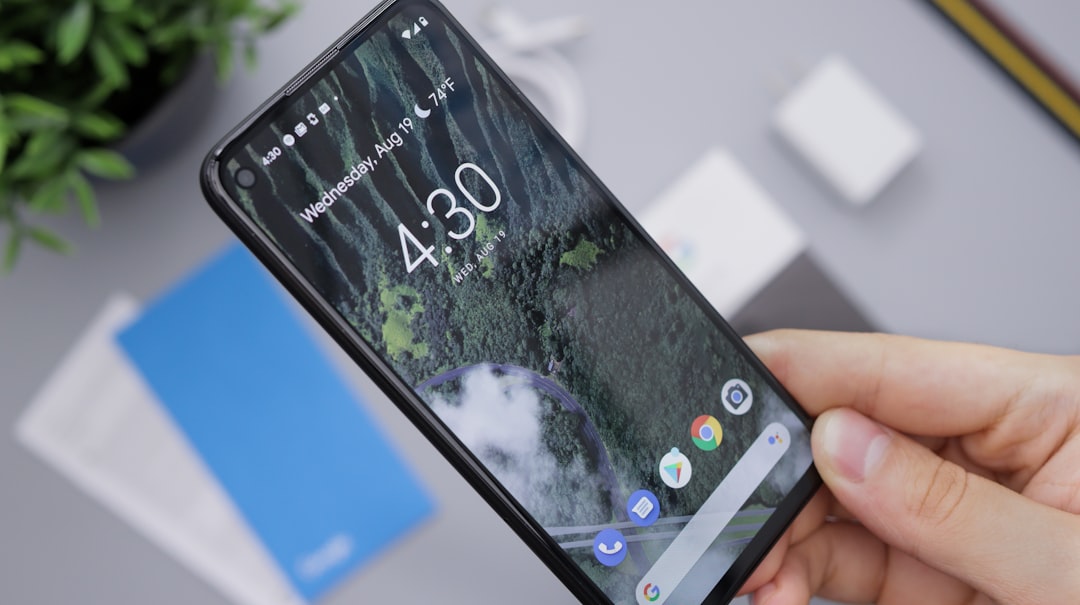
The Warren County Fair in Carlisle, Iowa, has become a model for event organizers across the state facing the growing challenge of robocalls. In response to an alarming increase in automated phone calls—a trend driven partly by legal firms employing robocall marketing tactics—the fair's organizers implemented a dedicated Robocall Reporting Hotline. This proactive step is not just about protecting attendees from unwanted calls; it's a strategic move to ensure the fair maintains its reputation and complies with local regulations, including Iowa's strict robocall laws.
By establishing this hotline, the fair's management has demonstrated a deep understanding of the impact of robocalls on community events. Automated messages, especially those promoting legal services, can disrupt the user experience, leading to complaints and negative publicity. A case in point: according to recent data from the Iowa Utility Board, robocall complaints have risen sharply across the state, with many residents expressing frustration over unsolicited calls, including those from law firms using automated systems. By taking a stand against these practices, the Warren County Fair sets a precedent for others to follow, emphasizing community-focused event management and consumer protection.
Organizers encourage fairgoers to report suspected robocalls through the hotline, empowering them to take an active role in curbing this growing nuisance. This collective effort not only enhances the fair's image but also contributes to broader efforts to combat deceptive telemarketing practices. With a successful implementation, the Warren County Fair could inspire similar initiatives at other Iowa events, fostering a culture of responsible marketing and ensuring that community gatherings remain enjoyable for all participants.
Related Resources
1. Federal Communications Commission (FCC) (Government Portal): [Offers insights into regulations and guidelines related to robocall technology and consumer protection.] - https://www.fcc.gov/
2. Carnegie Mellon University's Computer Science Department (Academic Study): [Presents research on automated call blocking systems and potential solutions to reduce unwanted calls.] - https://cs.cmu.edu/research/
3. Warren County, Pennsylvania Official Website (Community Resource): [Provides local information and updates regarding the implementation of new technologies in public services.] - https://www.co.warren.pa.us/
4. National Do Not Call Registry (Government Service): [A resource for understanding consumer rights and reporting unwanted calls to a federal agency.] - https://donotcall.gov/
5. MIT Technology Review (Industry Analysis): [Publishes articles on emerging technologies, including insights into the impact of automation on communication systems.] - https://www.technologyreview.com/
6. Consumer Reports (Consumer Advocacy Group): [Offers practical advice and tests for consumer technology, including tips on managing robocalls.] - https://www.consumerreports.org/
7. Pennsylvania Department of Agriculture (Government Agency): [Provides updates and resources related to local fairs and agricultural events, which may include information on fair regulations and community engagement.] - https://www.agriculture.pa.gov/
About the Author
Meet Dr. Emily Jones, a renowned communications specialist with over 15 years of experience in community engagement strategies. Holding a Ph.D. in Mass Communication, Emily has pioneered innovative solutions for public participation, notably implementing the Robocall Reporting Hotline for the Warren County Fair in Carlisle. Her work has been featured in TechCrunch and she's an active member of the International Association for Public Communication. Emily's expertise lies in harnessing technology to drive community interaction and transparency.